Relationships
Romantic fantasy and anxiety: the neurochemical trap
Understand why romantic fantasy causes you anxiety and hijacks your brain, creating mental stories that keep you anchored to false expectation.
Bonds, emotions, and patterns: the mechanisms behind how you relate, explained through affective neuroscience and attachment theory.
Relationships
Understand why romantic fantasy causes you anxiety and hijacks your brain, creating mental stories that keep you anchored to false expectation.
Relationships
Understanding the difference between limerence and anxiety is vital. Discover why your brain confuses dopaminergic hyperfocus with a survival alert.
Relationships
Explore the neuroscience of somatic therapy to fight less and how physical co-regulation stops cycles of aggression with your partner.
Relationships
If you feel like you can't stop thinking about someone, your brain is held captive. Understand the neuroscience of attachment and obsession to set yourself free.
Relationships
Understand the symptoms of romantic limerence from a neuroscience perspective. Discover why your brain generates this obsession and how to regulate your nervous system.
Relationships
Discover how to forget someone quickly by understanding synaptic pruning, polyvagal theory, and the shutdown of oxytocin to heal the brain.

Relationships
Polyvagal theory explains why you suddenly feel nothing. Understand what happens in your brain when attraction disappears without a logical explanation.

Relationships
Being with someone who has avoidant attachment requires understanding their nervous system. Learn to not take their distance as a personal attack and manage frustration.

Relationships
Going back to someone who hurts you creates a dopamine spike and temporary relief. Understand how to break the relapse cycle of attachment trauma and get out.

Relationships
Autogaslighting is a sequel to attachment trauma. Learn how the brain adapts memory to survive psychological manipulation.

Relationships
Being with a narcissist alters your neuroception of danger. Understand the idealization and devaluation cycle to break the trauma bond.

Relationships
Falling in love with your therapist is a reactivation of the attachment system. Learn how emotional transference works and why you shouldn't feel guilty.

Relationships
Does kink heal trauma or reproduce it? We explore the neuroscience behind pain, pleasure, and nervous system regulation in BDSM.

Relationships
Sending message after message is a desperate search for co-regulation. Learn how to curb messaging anxiety and stop distressing yourself.

Relationships
Love languages do not work if your nervous system does not feel safe. Understand why emotional safety trumps personal preferences.
Relationships
We explain why breadcrumbing activates addiction in your brain and how to break the cycle of receiving emotional crumbs so you can heal.

Relationships
Love bombing: not genuine romance but neurological hijacking. A pattern that floods reward circuits. How to identify it and protect yourself.

Relationships
A healthy relationship is not intensity: it's safety. Real signals in your nervous system, not gestures. Learn to recognize a bond that regulates you.

Relationships
Crying after sex: pure neurochemistry. How oxytocin, the drop in activation, and vulnerability create this common phenomenon.
Relationships
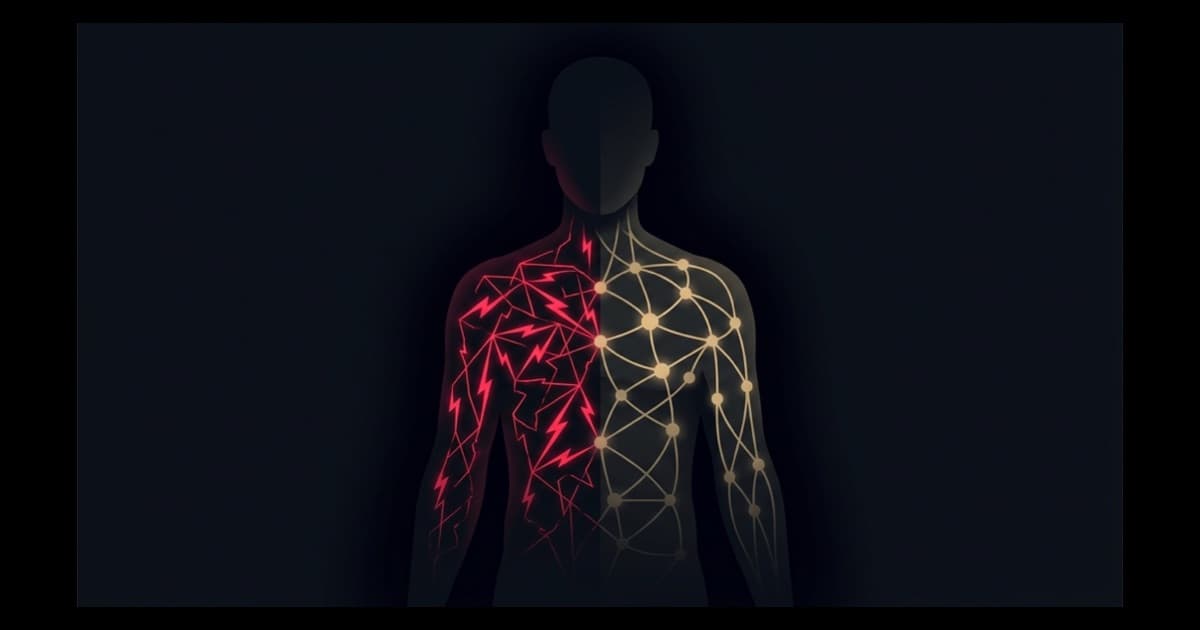
Intensity doesn't prove love: it may be the activation of a wound. How to tell real connection from traumatic hooking based on what it does to your body.

Relationships
The honeymoon phase is chemistry with an expiration date, not fake or real love. What happens in the brain when it fades and how what comes next grows.

Relationships
Fawning: pleasing to survive. A nervous system defense response disguised as kindness that disconnects you from your own needs.

Relationships
Trauma bond: why you can't leave the person who hurts you. It isn't weakness: it's intermittent reinforcement hijacking your reward system.

Relationships
Rereading messages is not a lack of willpower: it's your threat system. How relational anxiety works and three moves to interrupt the loop.

Relationships
When the initial euphoria fades, is it mature love or empty habit? Neuroscience to tell bonds that are still alive from those that have gone out.